Comparison-style stories, worth-it lists, and concern-based device guides.
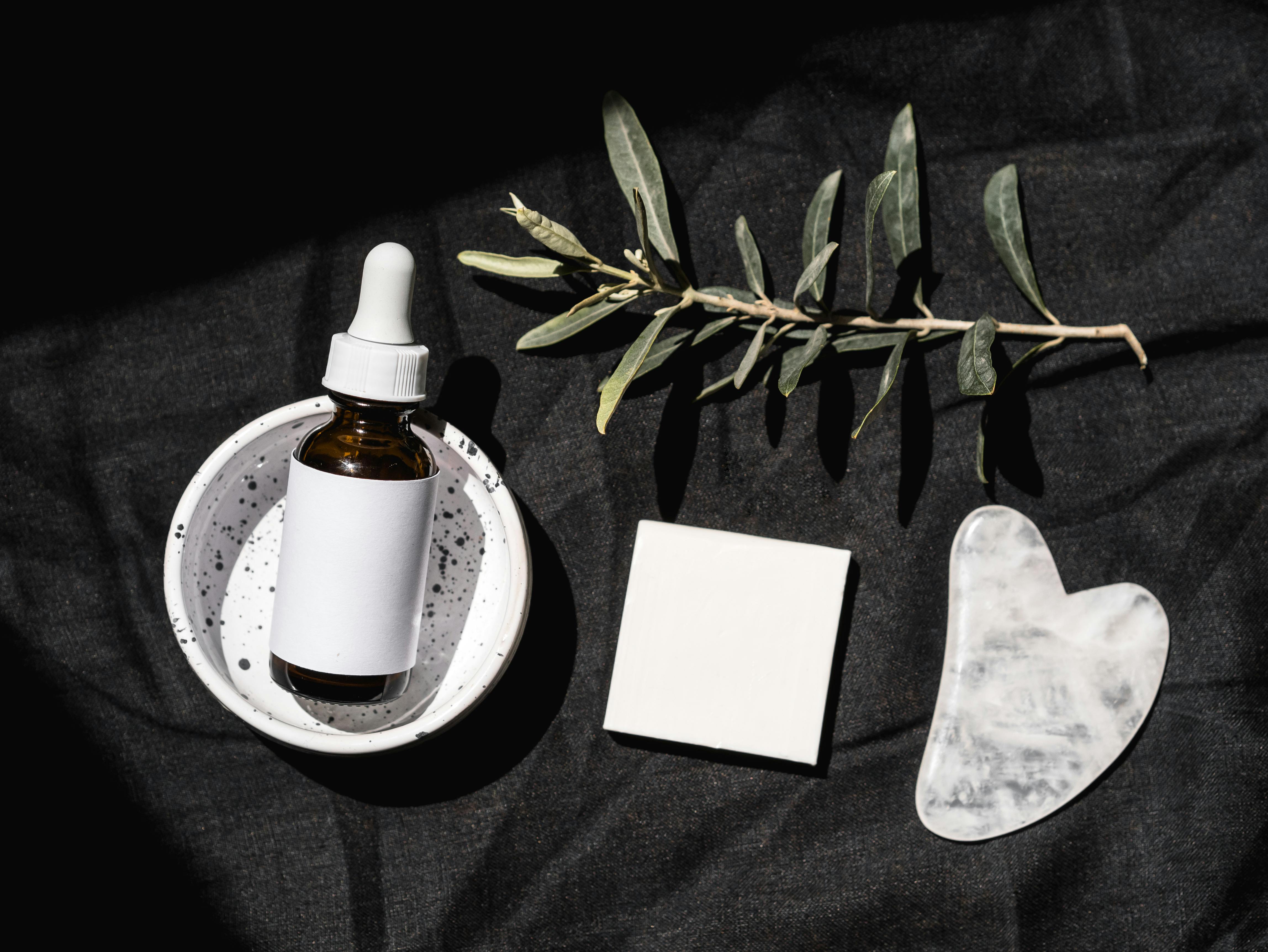
Beauty editorial with commerce intent
Skincare tools, quiet luxury picks, and routines worth bringing home.
Ribbon & Margin blends beauty editorial, campaign-friendly product pages, and calm lifestyle curation so the site feels polished enough for readers and practical enough for traffic.
From LED masks to sculpting tools, this is the section for treatment-minded content.
Wellness Quiet luxury habits and home rituals that feel calm instead of clutteredUseful for slower content angles around sleep, reset routines, gifting, and everyday comfort.
Offers Traffic-ready beauty pages built for shopping intent and promotional momentsDesigned for campaign flows, seasonal pushes, category edits, and product roundups.
What the site covers
A richer front door for beauty, lifestyle, and conversion-friendly editorial
Product curation that feels stylish enough for lifestyle readers and useful enough for shoppers.
Night rituals, de-puffing favorites, gift edits, and home comfort angles with a beauty overlap.
Why this reads like a real site
Commercial intent backed by enough structure to feel credible
Beauty-first positioning
The site now leads with skincare, wellness, and home-beauty curation instead of generic content blocks.
Clear policies
Privacy, terms, disclosure, FAQ, and contact pages are visible so partner reviews have obvious trust signals.
Traffic-friendly routing
Skincare, offers, reviews, and guides now give you multiple landing paths without the site feeling thin.
Skincare now
The stronger beauty stories and concern-led features
Bathroom Shelf Upgrades That Feel Expensive Without Becoming Clutter
An original product-angle article about making a bathroom setup feel elevated through a few better choices instead of a dozen random purchases.
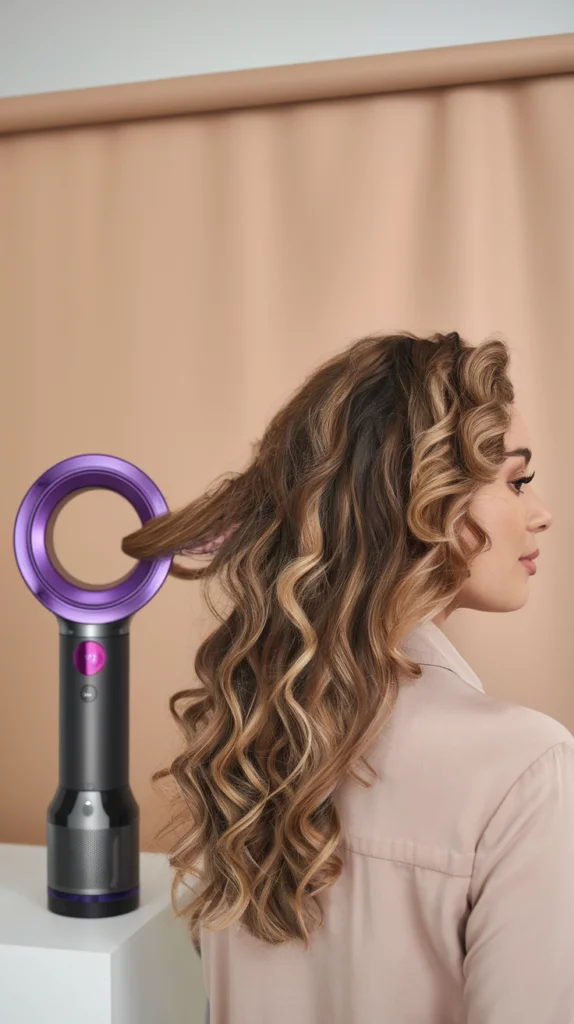
Beauty Tool Gifts That Look Expensive and Stay Useful
An article focused on giftable beauty tools that feel premium enough to impress but practical enough to avoid becoming shelf clutter.
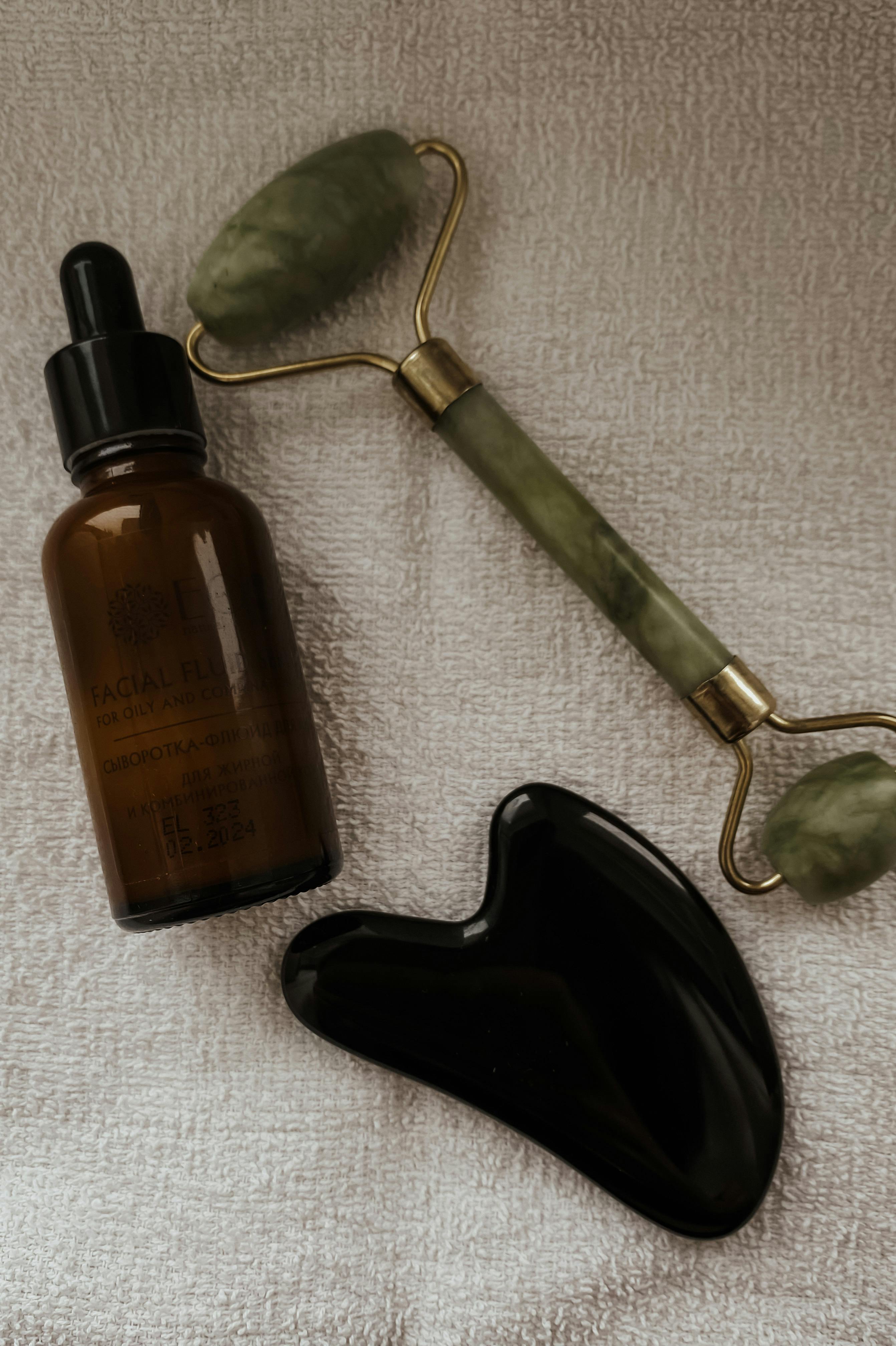
Giftable Beauty Tools That Still Feel Useful After the Unboxing Moment
A shopping-oriented piece about which beauty tools make strong gifts because they feel elevated, practical, and easy to understand.
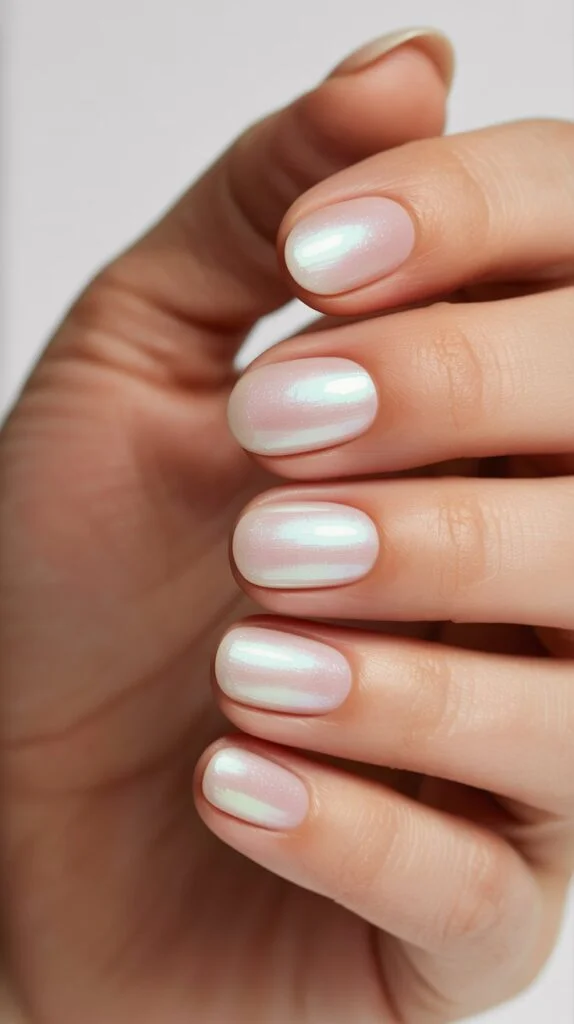
Hand Care Gifts That Feel Polished, Elevated, and Surprisingly Useful
A gift-focused story about hand care, manicure-adjacent beauty, and the kinds of small luxuries that work well when you need something elegant.
Routine library
Buying guides and slower ritual content
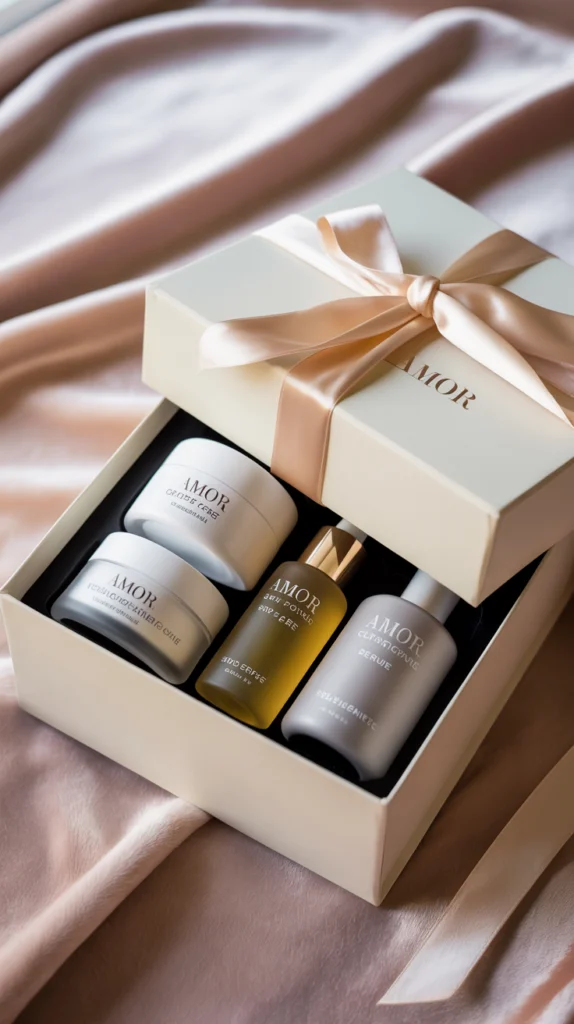
How to Build a Luxury Gift Box with Beauty and Home Finds
A practical guide to assembling a premium-looking gift box that feels cohesive instead of random, using beauty and home pieces that work together.
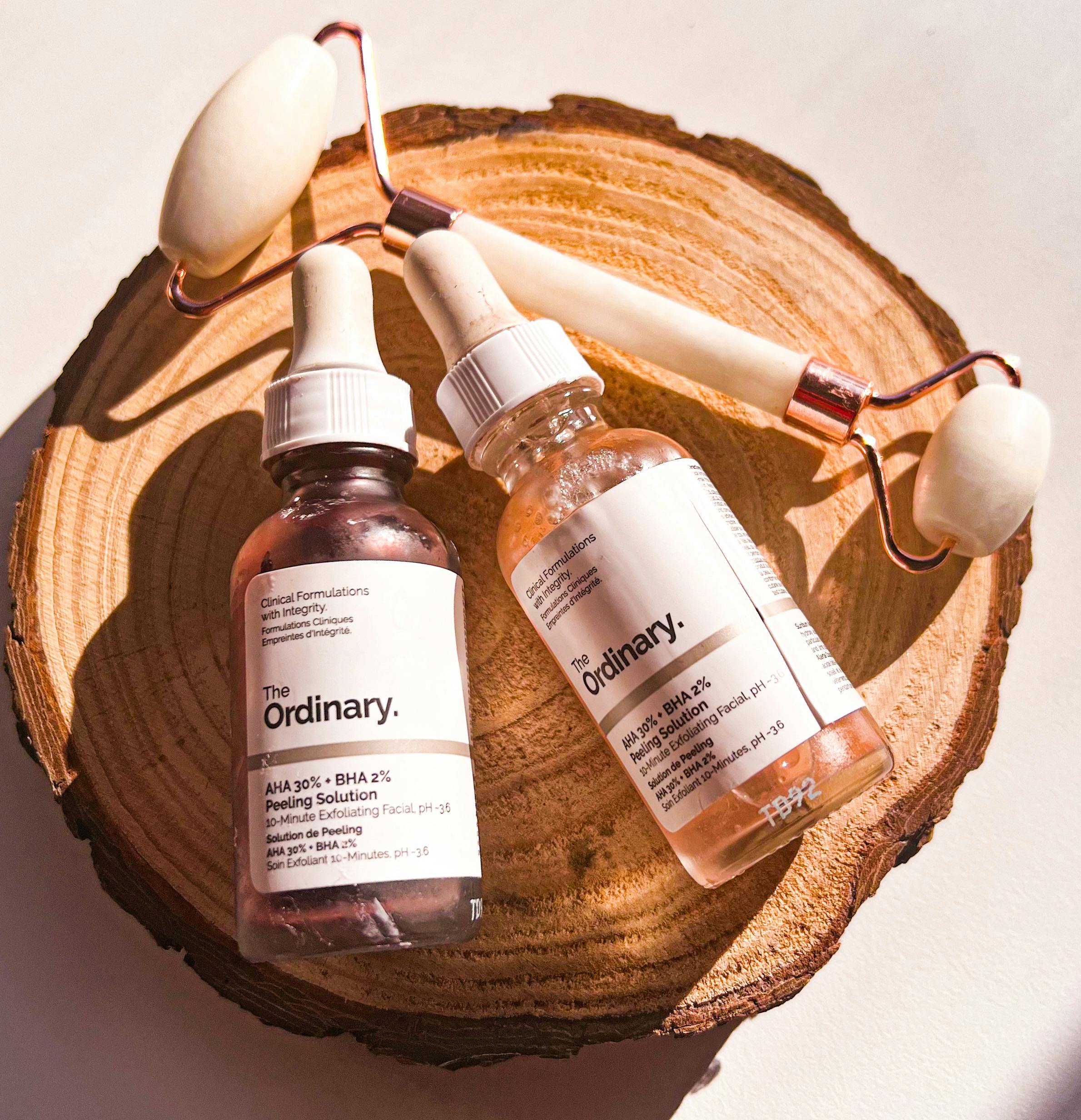
Microcurrent vs. LED Mask: Which Beauty Device Makes More Sense First?
A beginner-friendly comparison of two premium skincare categories, with a focus on goals, effort, and actual day-to-day usefulness.
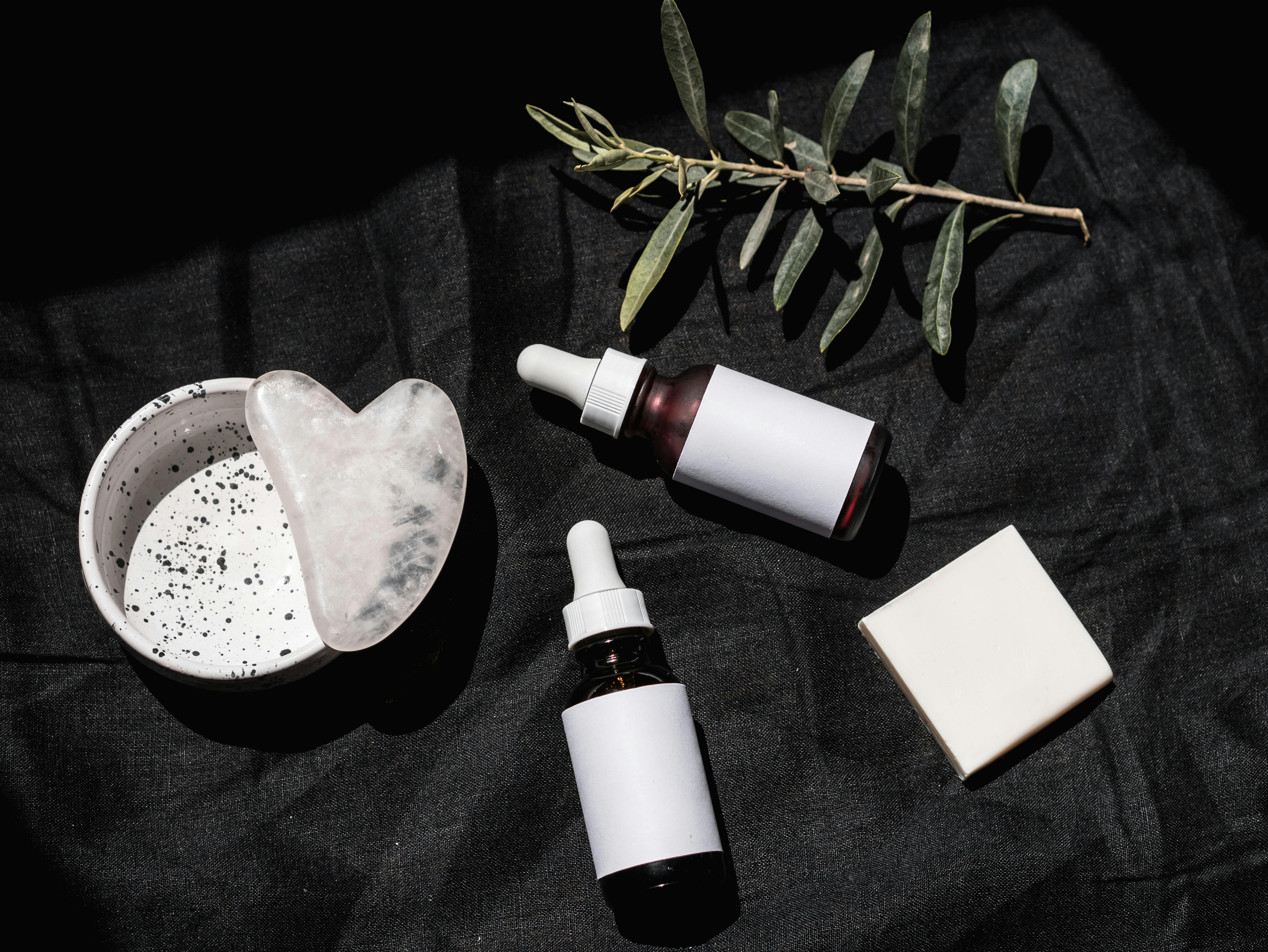
Night Routine Essentials for Calmer Skin and a Better Wind-Down
A softer beauty-and-wellness feature that connects skincare habits, comfort objects, and a more realistic evening routine.
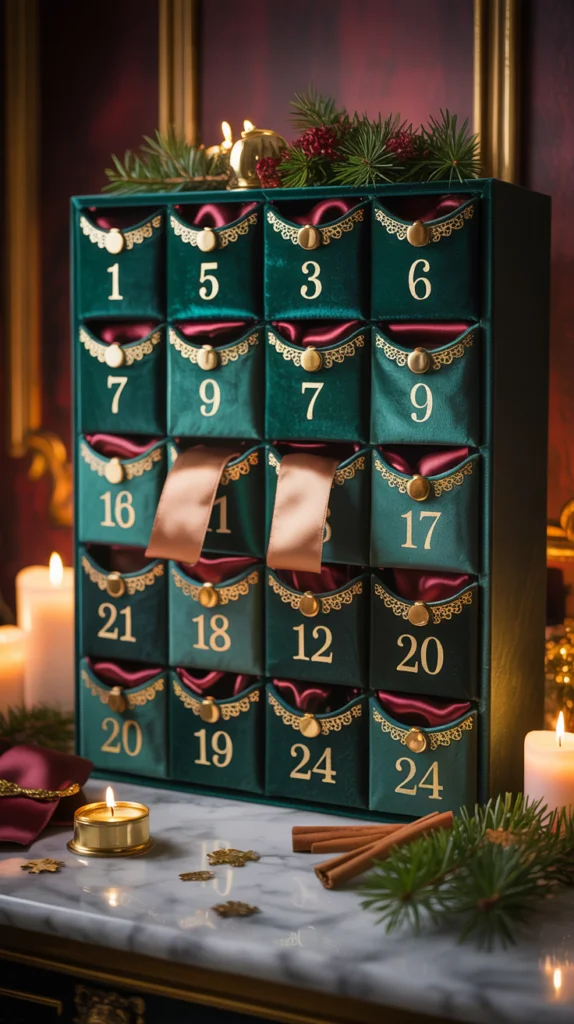
Beauty Advent Calendar Ideas That Feel Worth the Hype
A practical editorial take on what makes a beauty advent calendar feel luxurious, generous, and actually enjoyable to open.
Shop the mood
Quiet luxury picks with stronger shelf appeal
Bathroom Shelf Upgrades That Feel Expensive Without Becoming Clutter
An original product-angle article about making a bathroom setup feel elevated through a few better choices instead of a dozen random purchases.
Beauty Tool Gifts That Look Expensive and Stay Useful
An article focused on giftable beauty tools that feel premium enough to impress but practical enough to avoid becoming shelf clutter.
Giftable Beauty Tools That Still Feel Useful After the Unboxing Moment
A shopping-oriented piece about which beauty tools make strong gifts because they feel elevated, practical, and easy to understand.
Latest stories
Fresh posts across beauty, wellness, and product curation
Bathroom Shelf Upgrades That Feel Expensive Without Becoming Clutter
An original product-angle article about making a bathroom setup feel elevated through a few better choices instead of a dozen random purchases.
Beauty Tool Gifts That Look Expensive and Stay Useful
An article focused on giftable beauty tools that feel premium enough to impress but practical enough to avoid becoming shelf clutter.
Giftable Beauty Tools That Still Feel Useful After the Unboxing Moment
A shopping-oriented piece about which beauty tools make strong gifts because they feel elevated, practical, and easy to understand.
Hand Care Gifts That Feel Polished, Elevated, and Surprisingly Useful
A gift-focused story about hand care, manicure-adjacent beauty, and the kinds of small luxuries that work well when you need something elegant.
Holiday Gift Guide for Beauty, Home, and Wellness
An original gift guide with calmer, more elevated picks across skincare tools, home comforts, and useful luxury-feeling upgrades.
How to Build a Luxury Gift Box with Beauty and Home Finds
A practical guide to assembling a premium-looking gift box that feels cohesive instead of random, using beauty and home pieces that work together.